


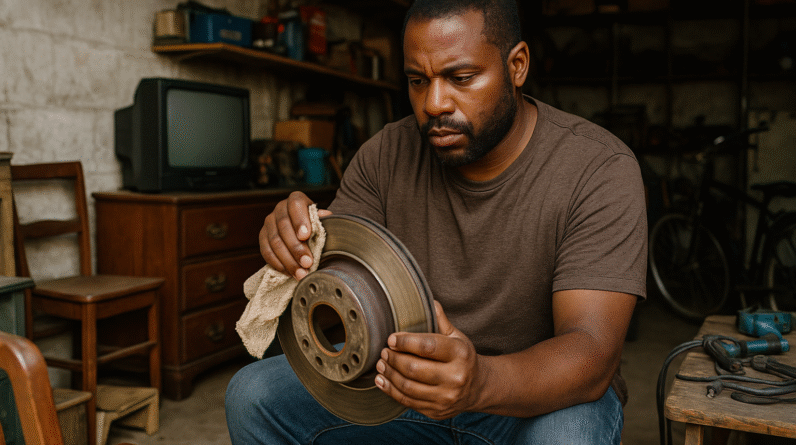
Most folks don’t realize how much cash is sitting around in plain sight. Old furniture, unwanted tools, rusty bikes, even roadside throwaways—it’s all got potential if you’ve got the eye and a bit of patience. Flipping stuff for side income isn’t some fancy business idea. It’s just spotting value where others see junk.
I’ve done a bit of this myself—garage sales, side-of-the-road rescues, scrap metal runs. You don’t need a warehouse or a trade license. You need a ute, a phone, and the guts to put your stuff up for sale. Here’s how to get started without stuffing around.
Why Flipping Works (Even in 2025)
- People are lazy—they chuck things out instead of fixing or selling them.
- Other people are broke—so they want cheap secondhand gear.
- You sit in the middle—grab the free or underpriced stuff, clean it up, and resell it.
It’s that simple. You’re not building a brand or chasing followers. You’re solving a small problem for someone—and pocketing the gap.
What You Can Flip for Profit.
Here’s the kind of stuff that moves quickly and doesn’t need a degree in repairs:
- Furniture: coffee tables, bookshelves, chairs. Scrub it, sand it, repaint it—or sometimes just wipe it down.
- Tools: Power tools, hand tools, even old toolboxes. Tradies love a bargain.
- Electronics: speakers, headphones, phones. Stick to stuff that powers on and can be tested easily.
Bikes & scooters: Quick clean, new inner tubes—easy flip.
Lawn gear: mowers, whipper snippers, blowers. People upgrade often and sell the old one cheap.
Small appliances: air fryers, toasters, and microwaves. Test before selling. Clean them properly—no one wants someone else’s toast crumbs.
Kids’ stuff: Strollers, toys, playpens—especially if they’re branded or wooden.
Avoid big TVs, pianos, mattresses, or anything that smells weird or weighs as much as a fridge. Start small, move fast.
Where to Find Cheap or Free Items.
1. Curbside pick-up:
Walk or drive around on hard rubbish day. Inner suburbs are goldmines. People chuck out perfectly good things because they can’t be bothered.
2. Facebook Marketplace “Free” section:
Set alerts. Jump early. Don’t wait till after dinner—by then it’s gone.
3. Gumtree freebies:
Still worth checking. Some folks just want their garage back.
4. Op shops & garage sales:
Go early. Haggle politely. Know your prices before you go.
5. Tip shops or recycling depots:
Some charge a couple of bucks, but it’s still a cheap way to find fixer-uppers.
How to Clean, Fix, or Improve Stuff (Without Wasting Hours)
You don’t need to be a tradesperson. Just tidy things up and make them look fresh.
Wipe down everything with vinegar or sugar soap. Looks 10x better in photos.
Spray paint furniture—especially black or white. Looks modern and hides dings.
Replace knobs/handles for $1 a pop from Bunnings. Small change, big impact.
Bundle stuff together (e.g., 3 kids’ toys in a set) for more perceived value.
Use magic erasers on plastic and sneakers. Cuts through grime fast.
And don’t spend three hours fixing a toaster you’ll sell for $15. If it’s busted, move on.
How to List and Sell It Quickly.
Photos matter. Always take clear photos in good light. No one wants to squint through a blurry pic in your dim garage. Wipe the dust off. Put the item in front of a plain wall or on a clean surface.
Write honest, simple descriptions.
“Solid wooden coffee table. No wobbles. Minor scuffs on top. 90cm x 60cm x 45cm. Pickup only.”
Be upfront about flaws, but don’t dwell. Answer questions quickly—especially if it’s a hot item.
List on:
- Facebook Marketplace (free, fast)
- Gumtree (better for tools and outdoor stuff)
- Local buy/swap/sell groups
Some folks use eBay too, but that’s more hassle with postage. Stick to local for now.
Pricing Tips (So You Don’t Sit on Stuff Forever)
Start a bit higher than what you’ll take. People will offer less.
If you got it for free or cheap, you’ve got wiggle room. Don’t get greedy—turnover is better than hoarding.
If it hasn’t sold in 5 days, drop the price or update the photos.
And remember, you’re not trying to make $100 off each flip. You’re aiming to flip often—$20 here, $40 there—it adds up fast.
What You’ll Need to Get Started.
- A smartphone (for photos and messages)
- Cleaning gear (rags, spray, maybe some paint)
- A vehicle (doesn’t have to be a ute—a backseat or hatchback will do)
- Storage space (spare room, garage corner, even a clean shed)
Optional extras:
Power bank or battery tester
Portable trolley for pickups
Tool kit (screwdrivers, pliers, glue)
That’s it. Don’t overthink it.
How Much Can You Make?
It depends on how much time you put in—but here’s a rough guide:
Flipping 3 items a week at $30 profit each = $360/month
5 items a week = $600/month.
10+ items = $1000+/month once you’ve got your flow.
You don’t need to go full-time. Even one flip a week could cover fuel, groceries, or a bill or two.
Challenges to Expect.
- Time-wasters: Folks who say, “Is this available?” and never reply. Just move on.
- No-shows: Always ask for a pickup time and message a reminder.
- Storage limits: Don’t hoard. Only keep what’s clean and ready to go.
- Burnout: Don’t say yes to everything. Pick easy flips first.
- Treat it like a weekend project, not a full-blown business—unless you want it to become one.
Final Thoughts.
Flipping junk into side income isn’t fancy, but it works. It’s low-risk, teaches you to spot value, and gives you fast wins. Some weeks you’ll only sell one thing. Other weeks you’ll clear out half the shed and pocket a few hundred bucks.
Start where you are. Use what you’ve got. Clean it, snap it, sell it.
And who knows? That busted old chair on the nature strip might just pay for your next night out.


